Shat Tila Ekadashi
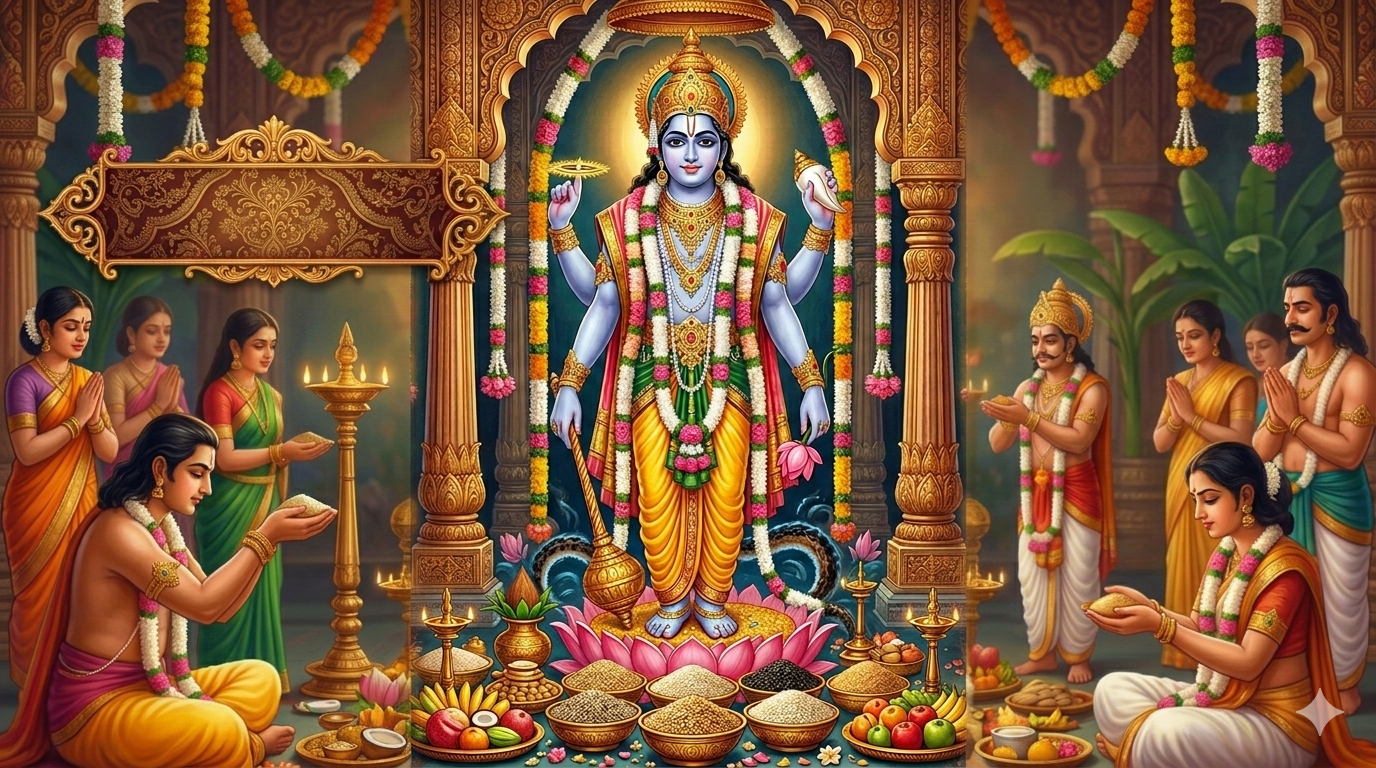
Shat Tila Ekadashi (or Magha Ekadashi) is observed during the Magha month. Devotees worship Lord Vishnu to remove sins and poverty and to attain liberation by using sesame seeds (Til) in six ways: bathing, rubbing paste, offering, drinking Til-infused water, eating, and donating them.
Book PoojaJaya Ekadashi
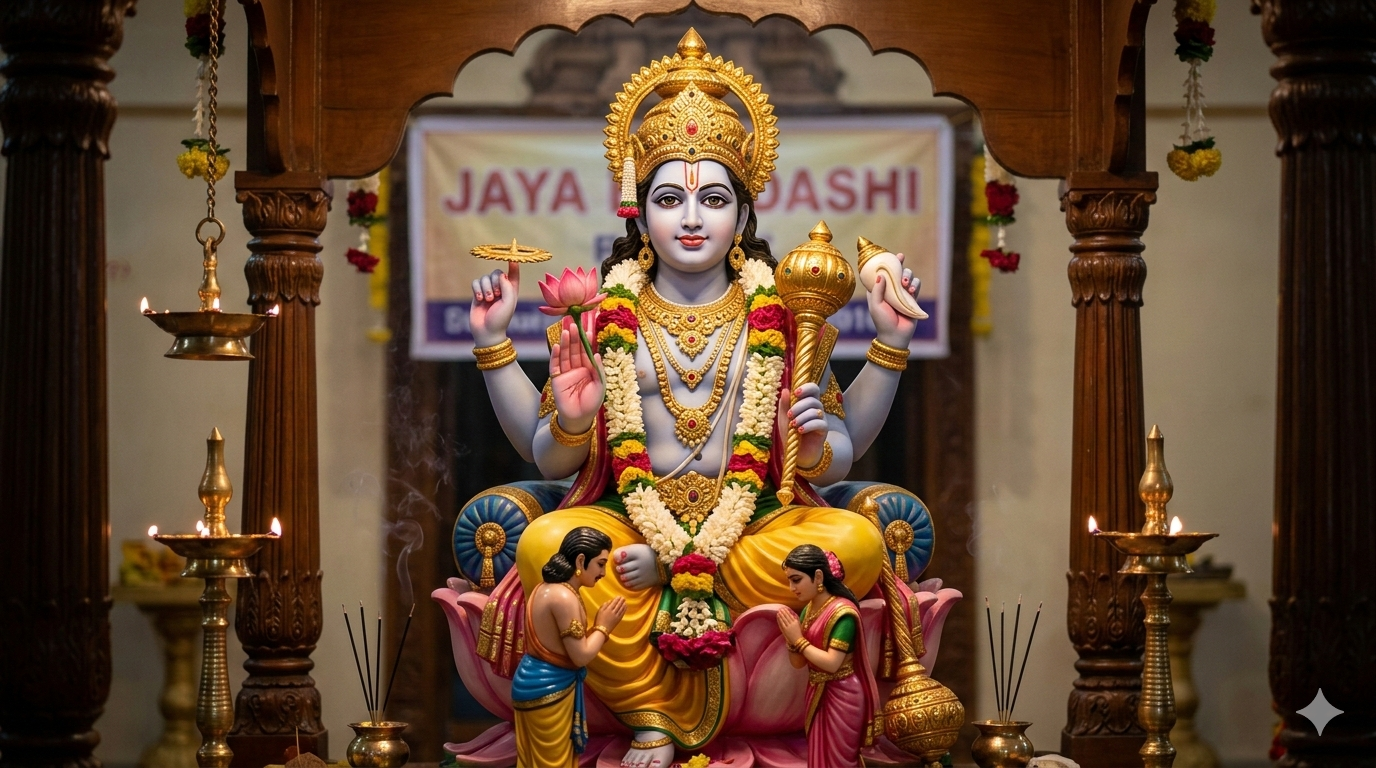
Jaya Ekadashi is observed on the Shukla Paksha Ekadashi of the Magha month (January/February). It is known for granting victory over past sins and lower states of existence, promising spiritual purification, mental peace, and liberation.
Book PoojaVijaya Ekadashi
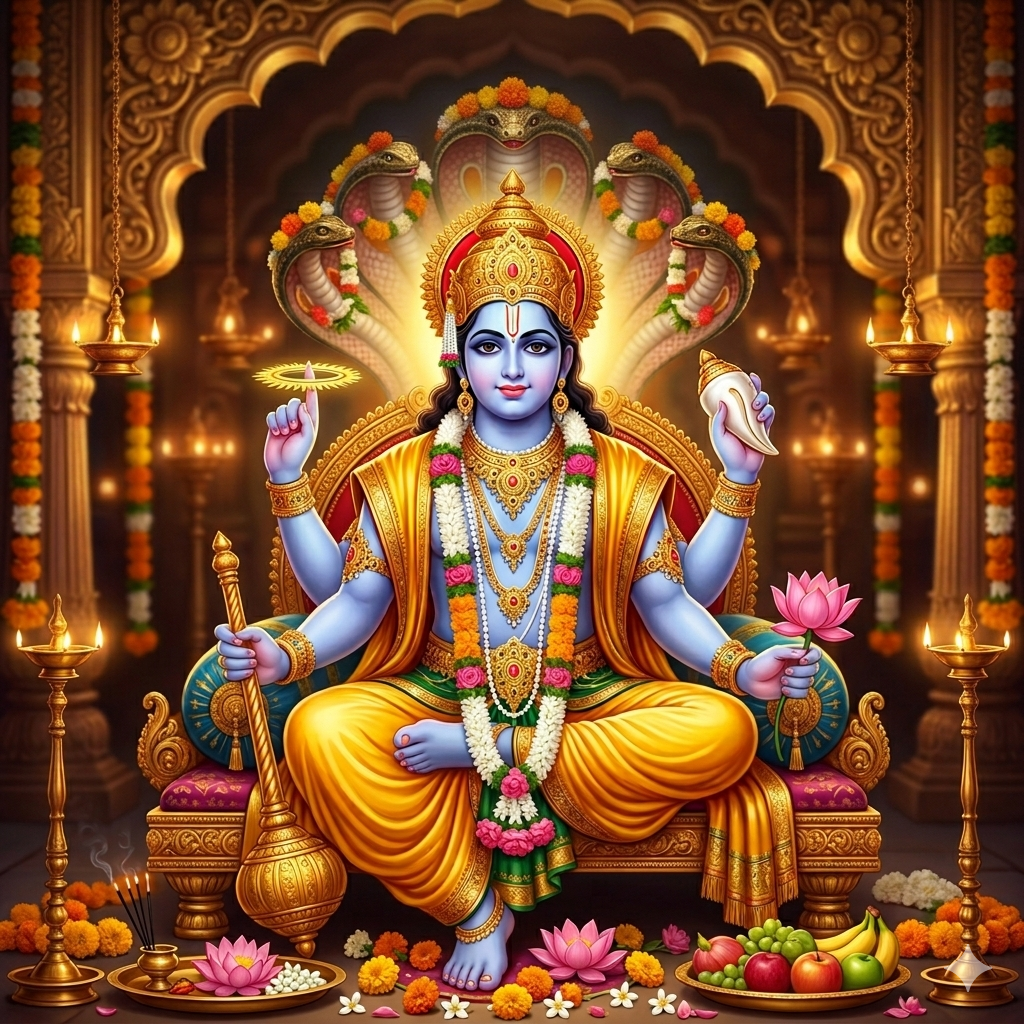
Vijaya Ekadashi falls in the month of Phalguna on Shukla Paksha Ekadashi. It is considered to empower the devotee to achieve victory and success over enemies, just as Sri Ram in the Treta Yuga won the battle against Ravana on this day. If a devotee is facing challenges or problems in life, they should worship Sri Vishnu on Vijaya Ekadashi and perform the rituals to gain freedom from life's struggles.
Book PoojaAmalaki Ekadashi
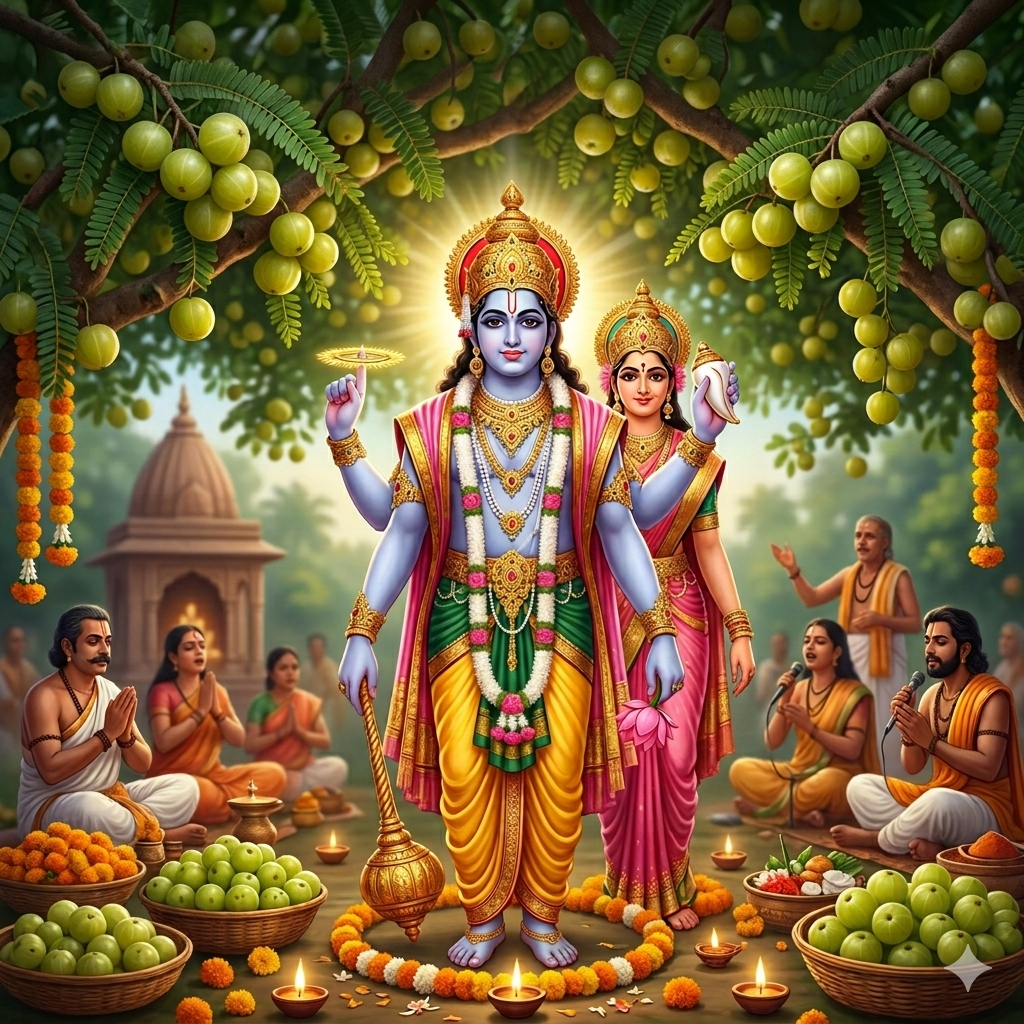
Amalaki Ekadashi falls in the month of Phalguna on Shukla Paksha Ekadashi tithi. It is believed that on this day, Sri Vishnu resides in the Amala tree; therefore, devotees worship Sri Vishnu within the Amala tree. This day also marks the beginning of Holi, the festival of colours. Devotees are said to be relieved of health issues after worshipping on Amalaki Ekadashi.
Book PoojaPapmochini Ekadashi
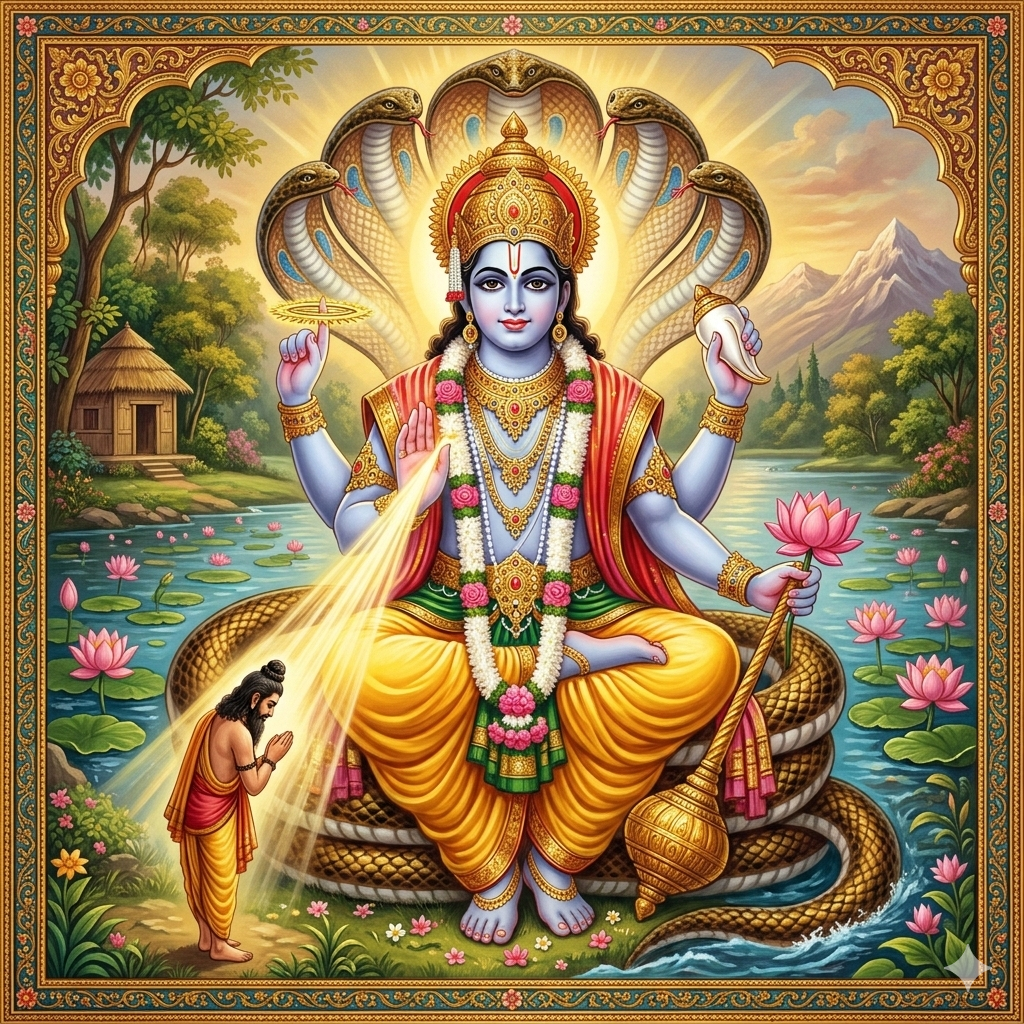
Papmochini Ekadashi occurs in the month of Chaitra. Its name suggests its purpose: Pap means misdeeds, and Mochini means removal. By worshipping Sri Vishnu, devotees are freed from their past life sins, bad deeds, and past karmas. By observing puja on Papmochini Ekadashi with utmost faith, devotees receive divine blessings, peace, and ultimate salvation.
Book PoojaKamada Ekadashi
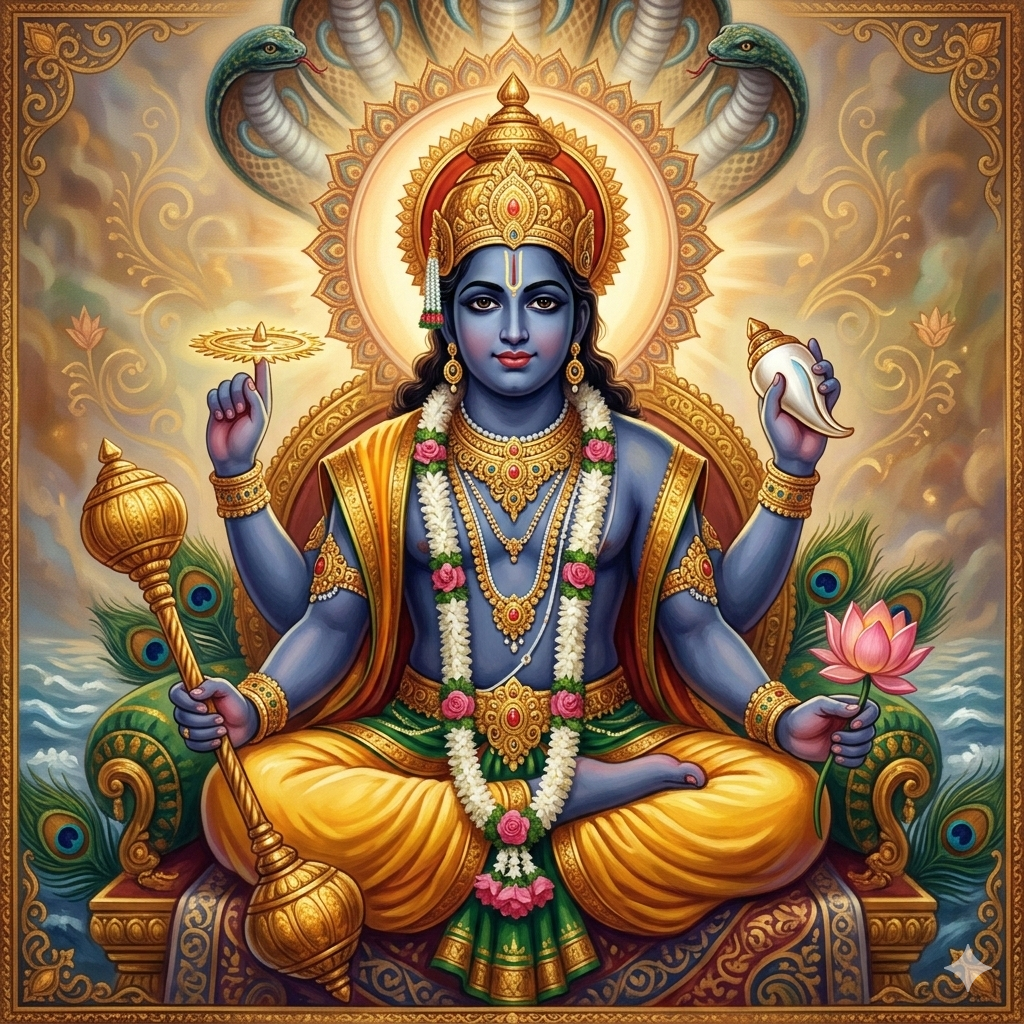
Kamada Ekadashi is the first Ekadashi after the Hindu New Year (Sanatan New Year) and falls in the month of Chaitra. Devotees worship Sri Vishnu to fulfil their desires and receive blessings to attain the liberation of the soul from the cycle of birth and death.
Book PoojaVaruthini Ekadashi
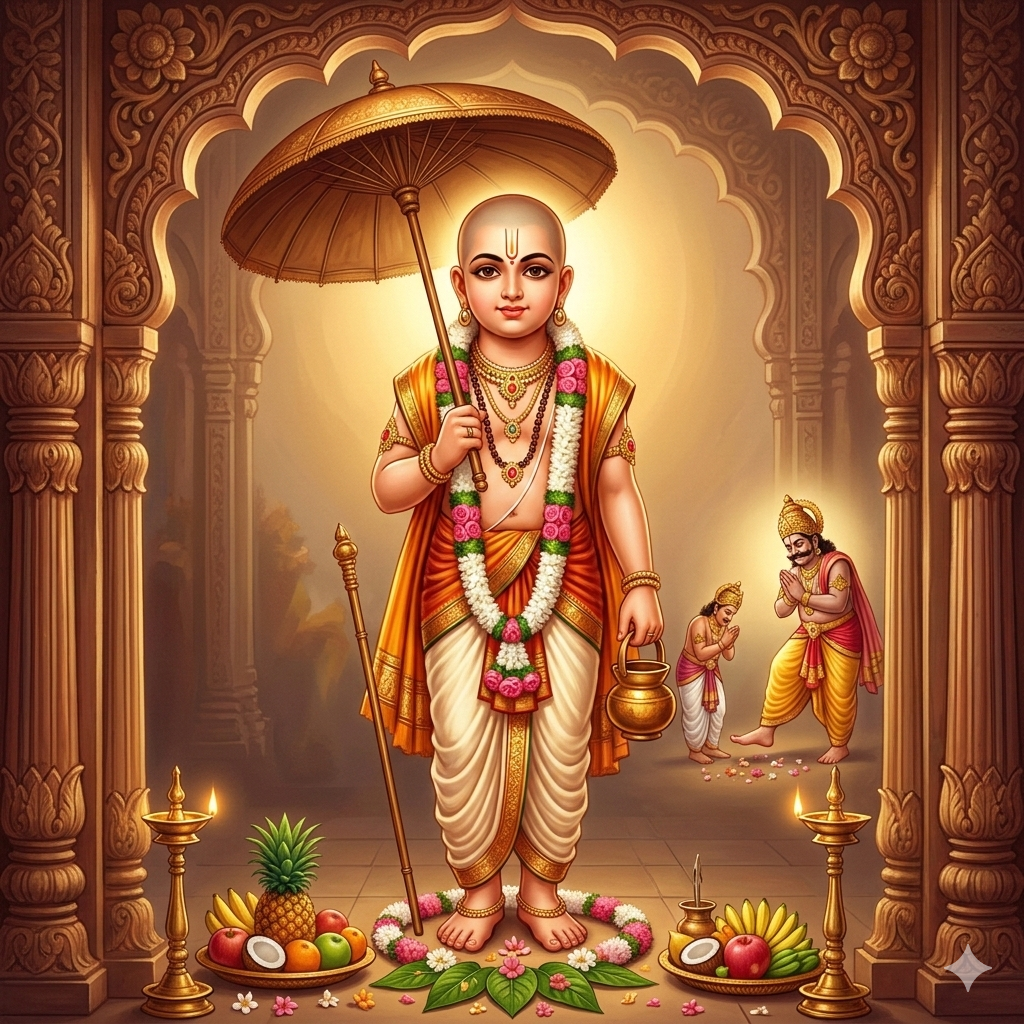
Varuthini Ekadashi is exclusively dedicated to the Vamana Avatar of Sri Vishnu ji and occurs in the month of Vaishakha. Varuthini means protected or armoured; by worshipping Sri Vishnu, devotees receive a shield against misfortunes, negative influences, and past sins.
Book PoojaMohini Ekadashi
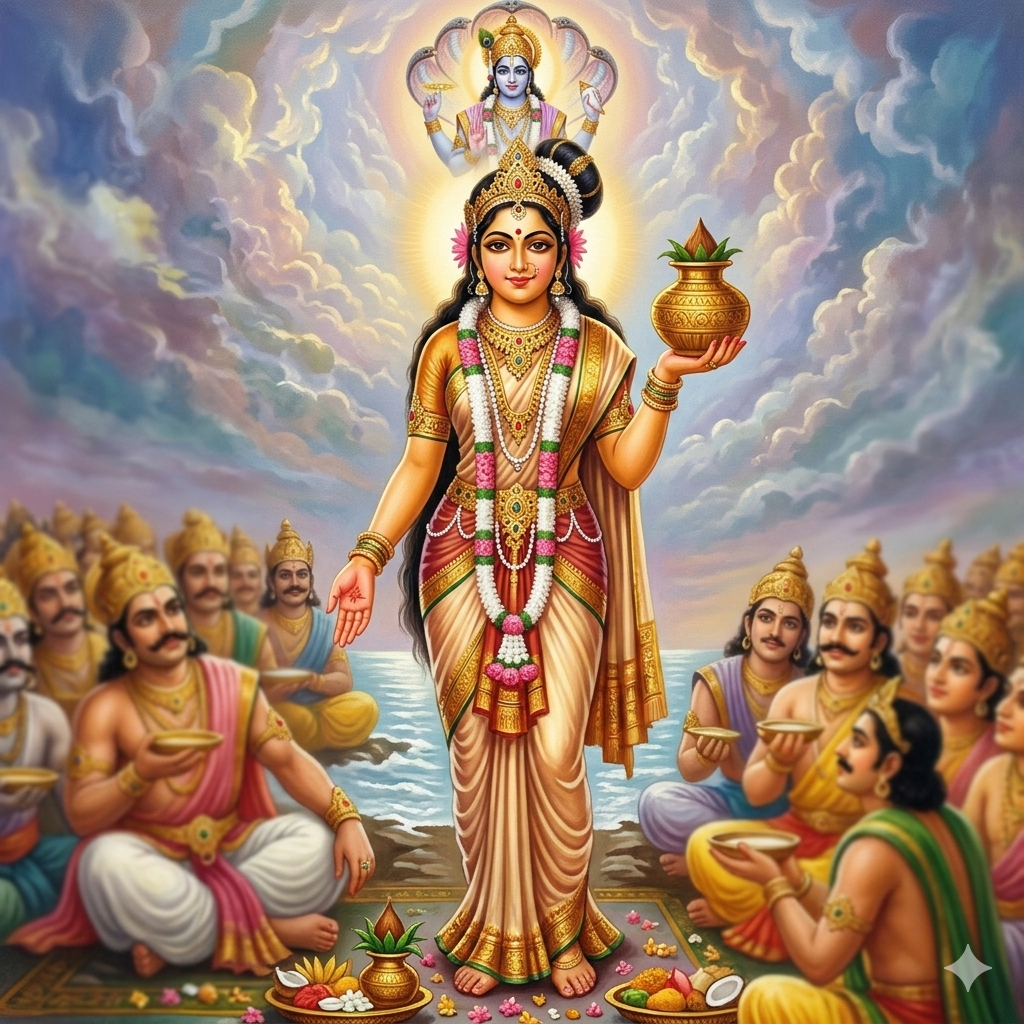
Mohini Ekadashi is exclusively dedicated to the Mohini Avatar of Sri Vishnu ji and occurs in the month of Vaishakha. Devotees should observe this day to cleanse lifetimes of sins, break the cycle of illusion, and achieve liberation (moksha).
Book PoojaApara Ekadashi
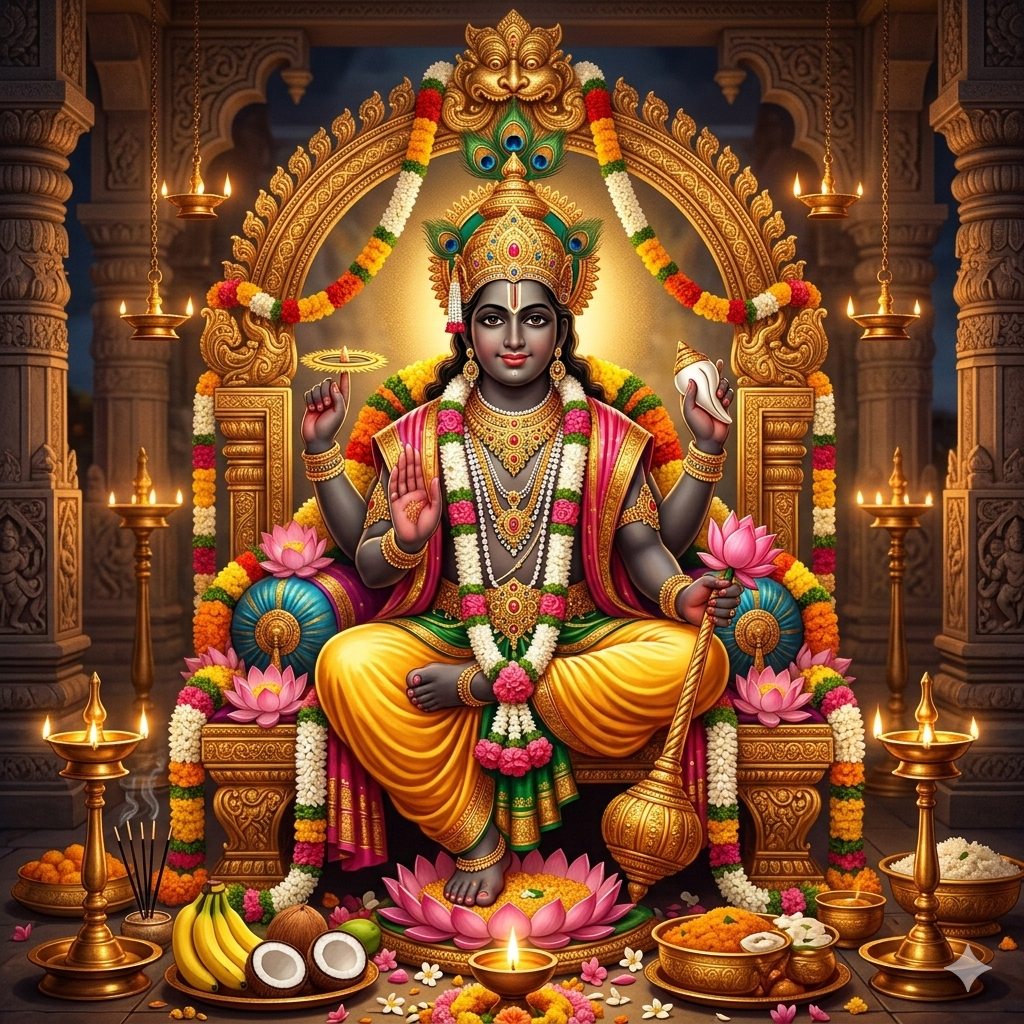
Apara Ekadashi (or Achala Ekadashi) is observed during the Krishna Paksha of the Jyeshtha month. Apara means limitless; devotees should worship Sri Vishnu ji to obtain steady and enduring merit and blessings.
Book PoojaPadmini Ekadashi
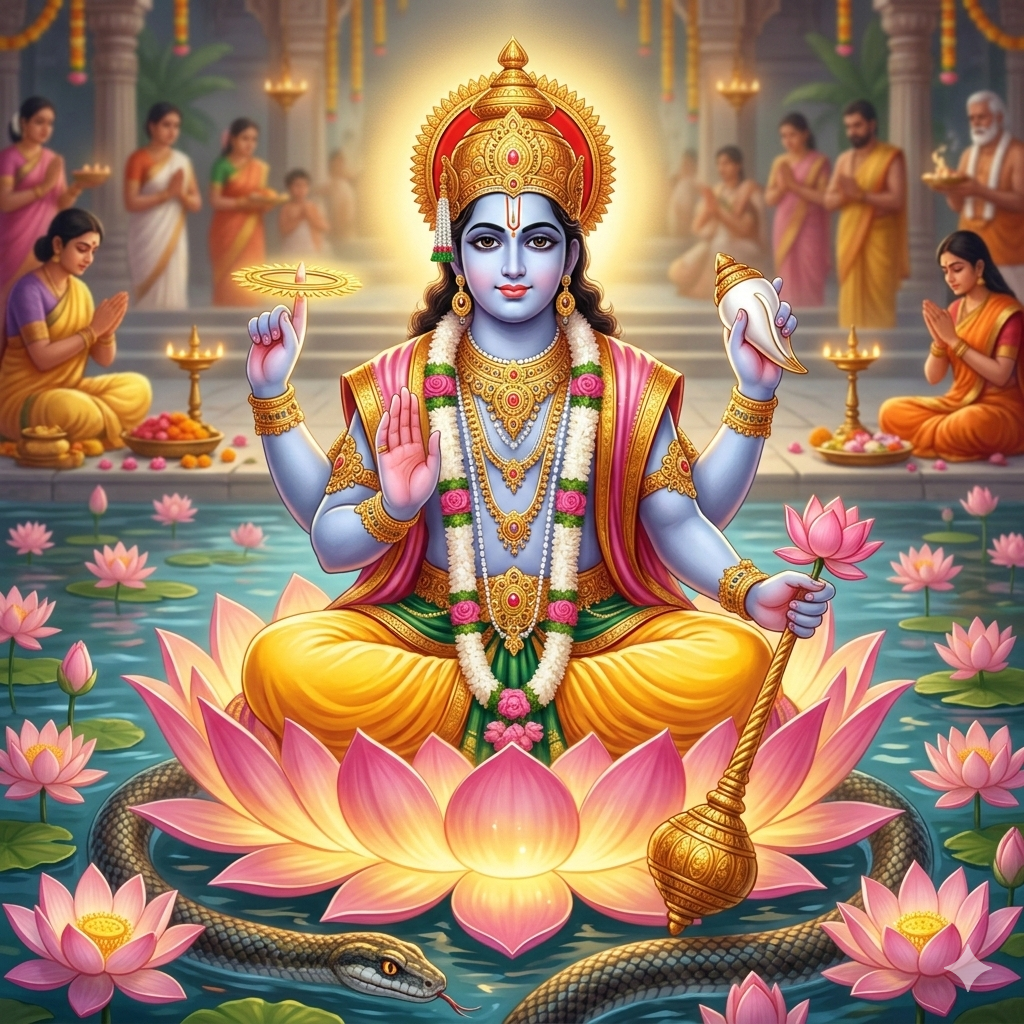
Padmini Ekadashi, also known as Kamala Ekadashi or Adhik Maas Ekadashi, is observed during the month of Jyeshtha. It should be worshipped especially by childless couples and those seeking prosperity in household life. This Ekadashi is termed Kamala Ekadashi because it is dear to Goddess Lakshmi (Kamala) and brings fortune to devotees.
Book PoojaParama Ekadashi
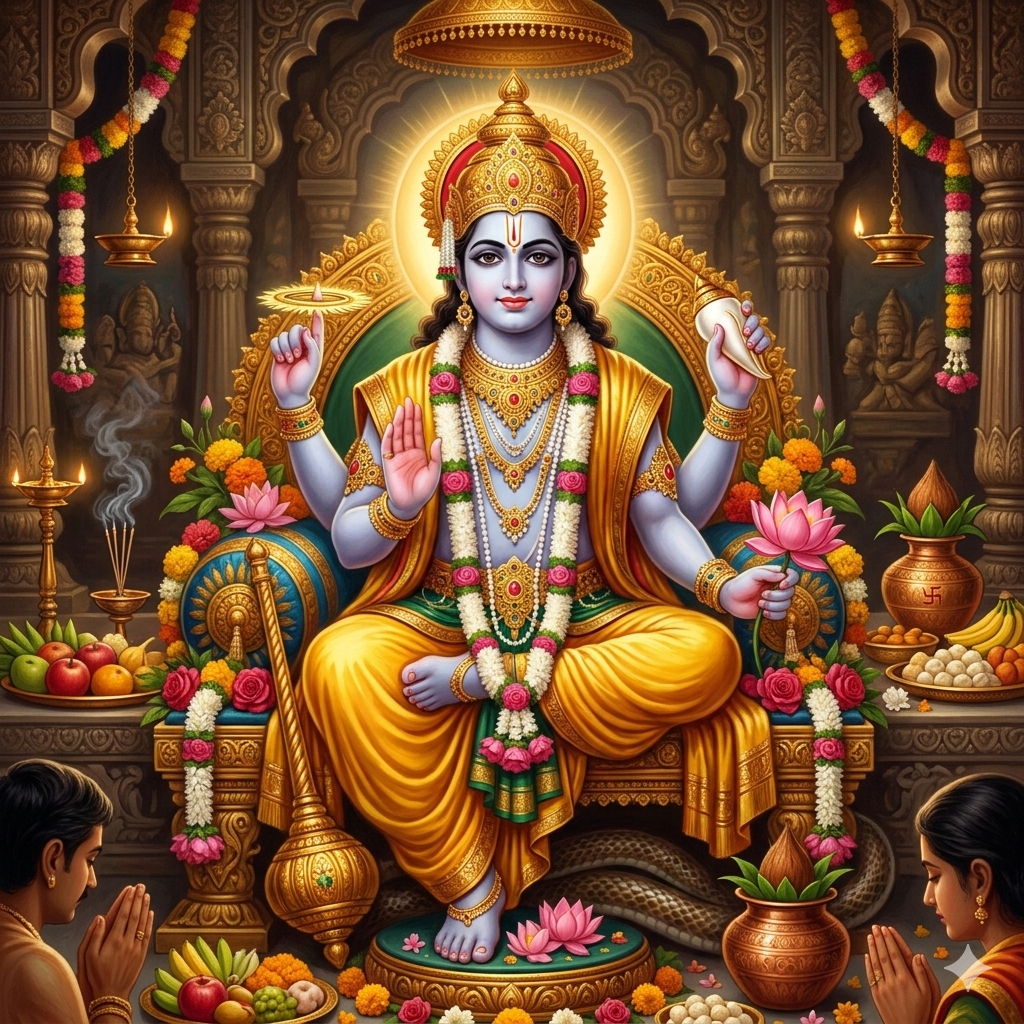
Parama Ekadashi is observed during the Krishna Paksha of Jyeshtha (during Adhik Maas). Devotees worship to remove poverty and receive supreme purification and prosperity. This Ekadashi is also associated with Lord Kubera; to have abundance in life, devotees must observe the puja of Parama Ekadashi.
Book PoojaNirjala Ekadashi
Nirjala means "without water." Observed in the month of Jyeshtha, devotees worship Sri Vishnu ji to gain the collective benefits of all twenty-four Ekadashis falling in the year. This is also known as Pandava Nirjala Ekadashi or Bhimseni Ekadashi.
Book PoojaYogini Ekadashi
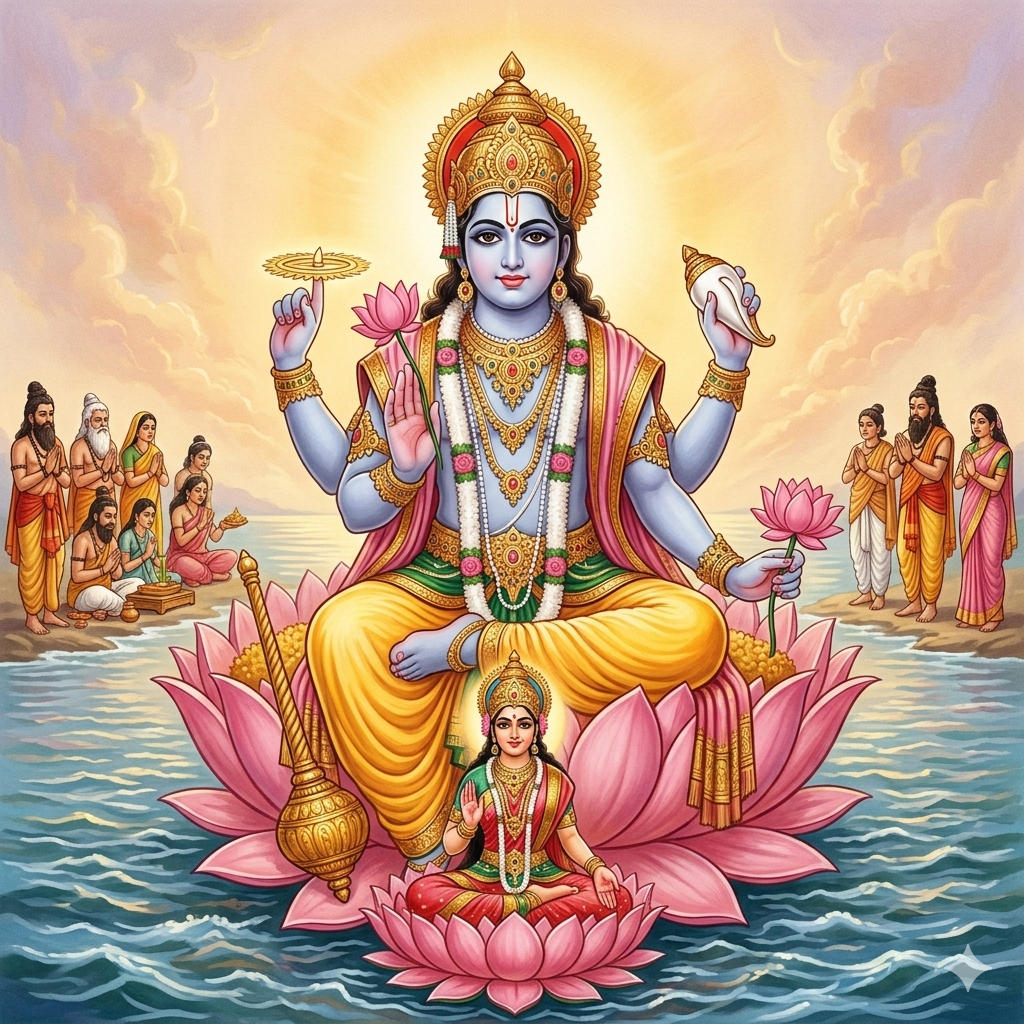
Yogini Ekadashi (or Gauna Yogini Ekadashi) is observed during the Krishna Paksha (waning moon) of the Ashadha month (June/July) to cleanse sins, cure skin diseases, and attain liberation. Based on the story of the Yaksha Hemmali, it removes the burden of sins and brings prosperity, holding special significance for repentance and health.
Book PoojaDevshayani Ekadashi
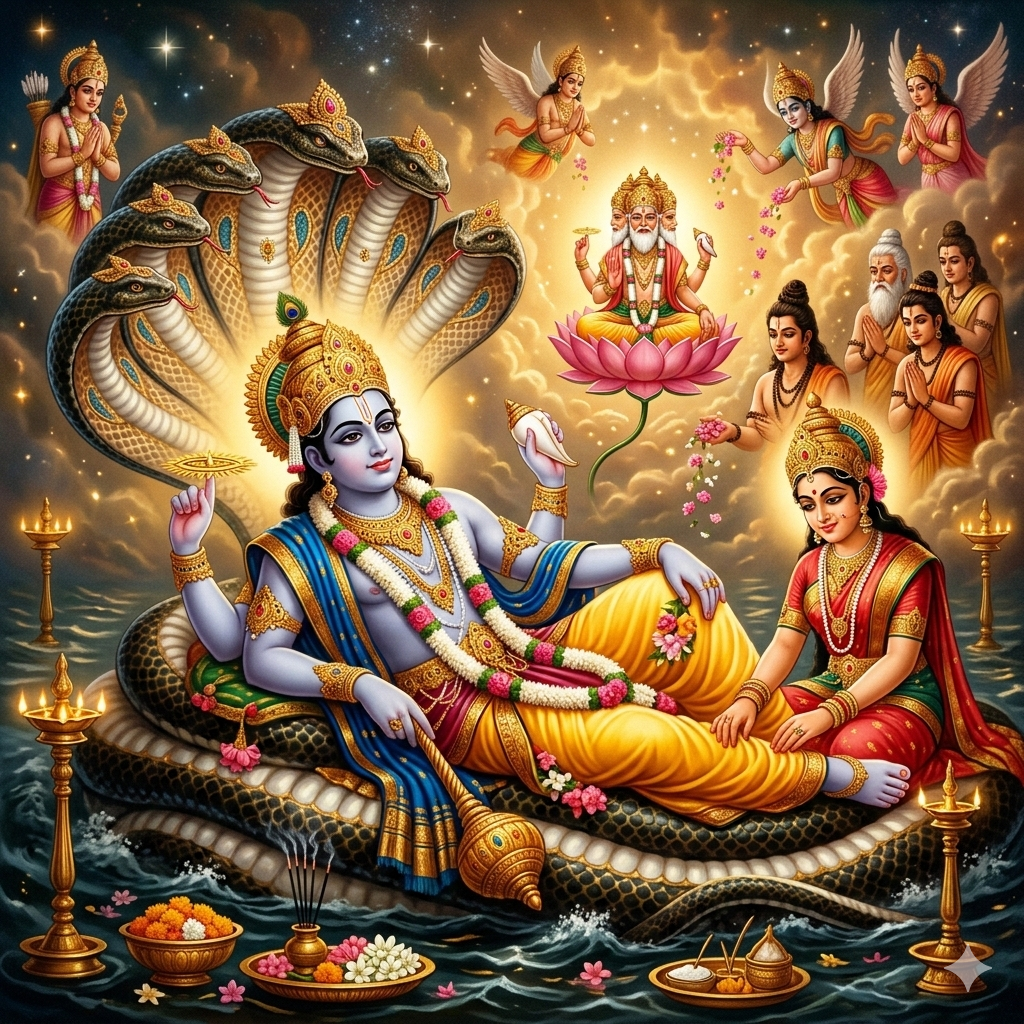
Devshayani Ekadashi is observed in the month of Ashadha. This sacred day marks the beginning of Chaturmas, a four-month period when Sri Vishnu is believed to sleep. This Ekadashi is worshipped with yellow flowers to stay away from bad deeds and sins.
Book PoojaKamika Ekadashi
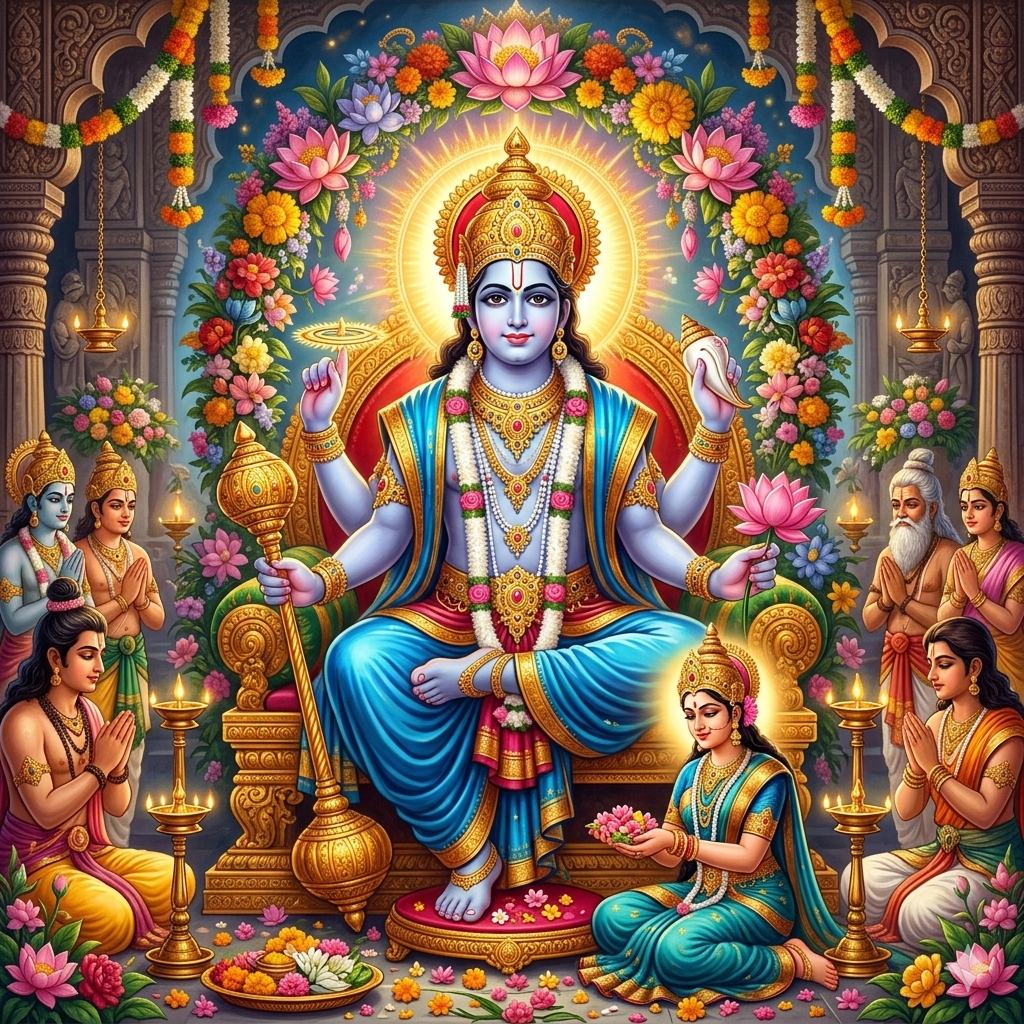
Kamika Ekadashi is observed during the Krishna Paksha (dark fortnight) of the Shravana month. It is believed to cleanse all sins, grant liberation (moksha), and fulfil desires, providing merit equivalent to performing a horse sacrifice or visiting holy sites like Kashi. It also removes Pitru Dosh (ancestral curses).
Book PoojaShravan Putrada Ekadashi
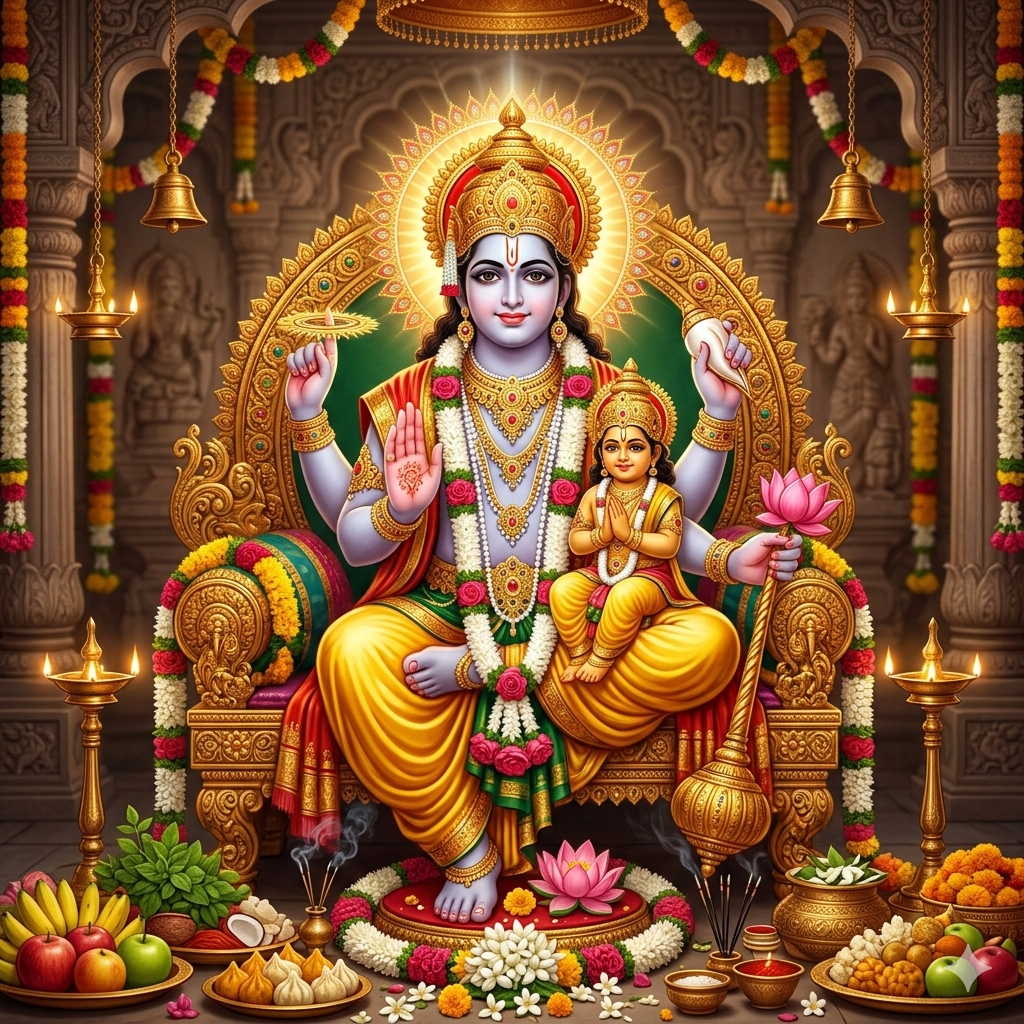
Shravan Putrada Ekadashi (or Pavitropana Ekadashi) is primarily observed by married couples in July–August (Shukla Paksha of Shravan) to seek blessings for a worthy son, the longevity of children, and overall family well-being.
Book PoojaAja Ekadashi
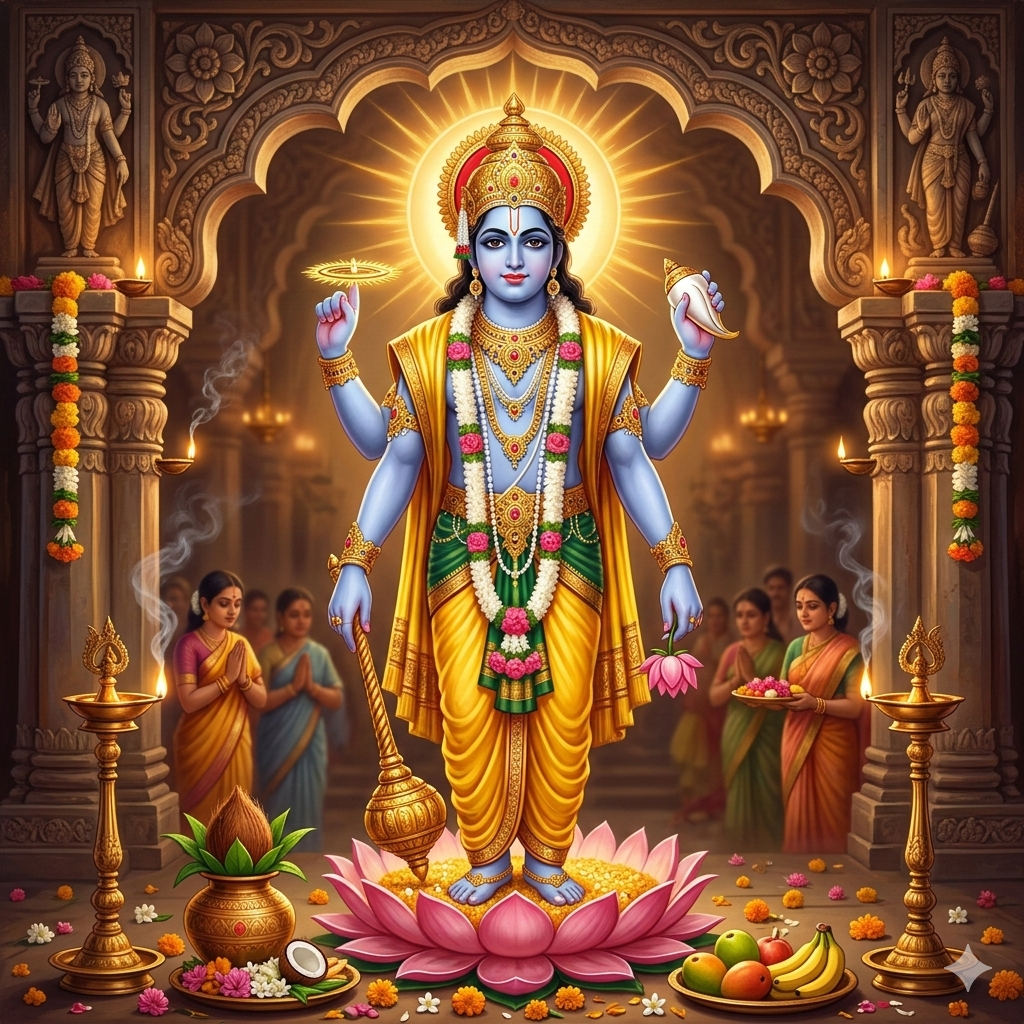
Aja Ekadashi (or Annada Ekadashi) is observed on the Krishna Paksha (waning moon) in the Bhadrapada month (August–September). Devoted to Lord Vishnu in his Hrishikesha form, it is believed to cleanse sins, break the cycle of birth and death, and bring prosperity. It is famously associated with King Harishchandra regaining his lost kingdom.
Book PoojaParshva Ekadashi
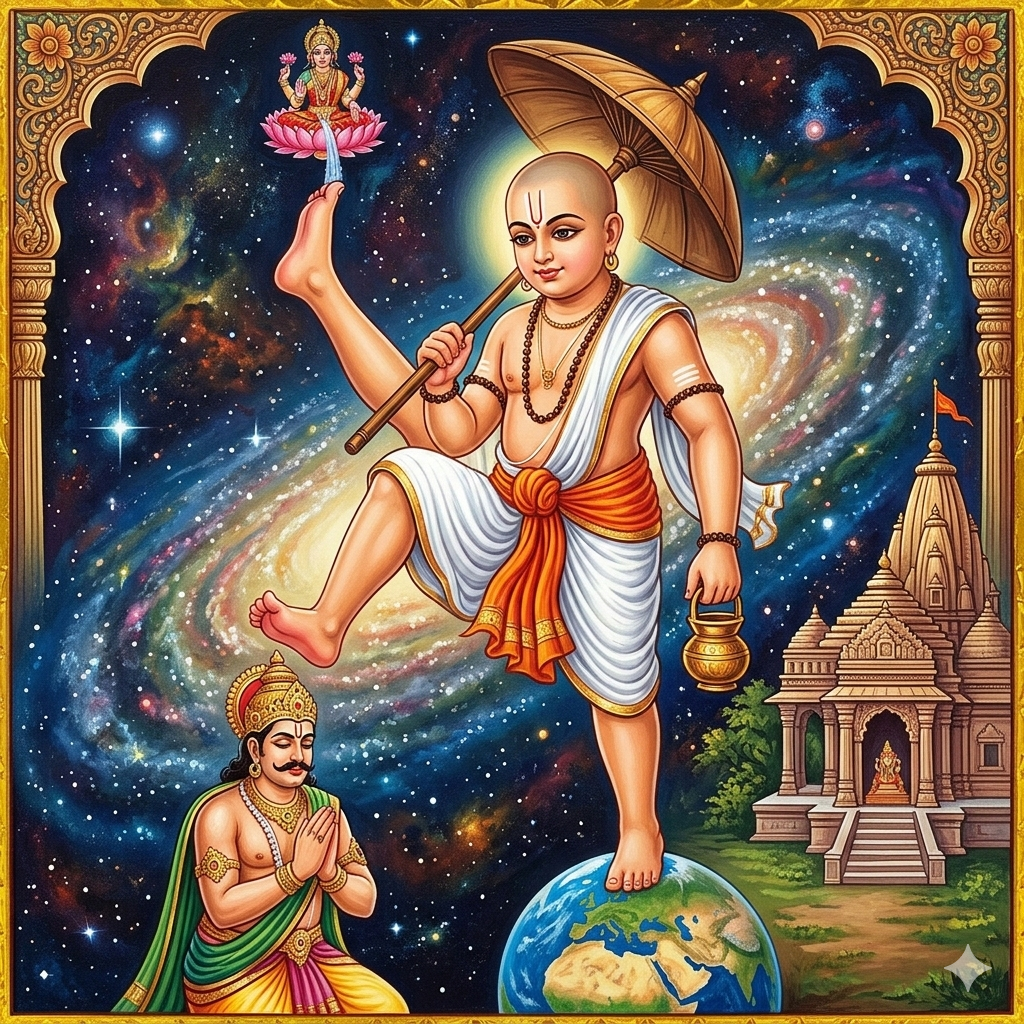
Parshva Ekadashi (also known as Parivartini/Vamana/Jayanti Ekadashi) is observed during the Shukla Paksha of Bhadrapada (August–September), when Lord Vishnu turns in his sleep from his left side to his right side on the serpent Sheshnag. It symbolizes a spiritual shift, promising the purification of past sins, the removal of negative karma, and blessings for prosperity.
Book PoojaIndira Ekadashi
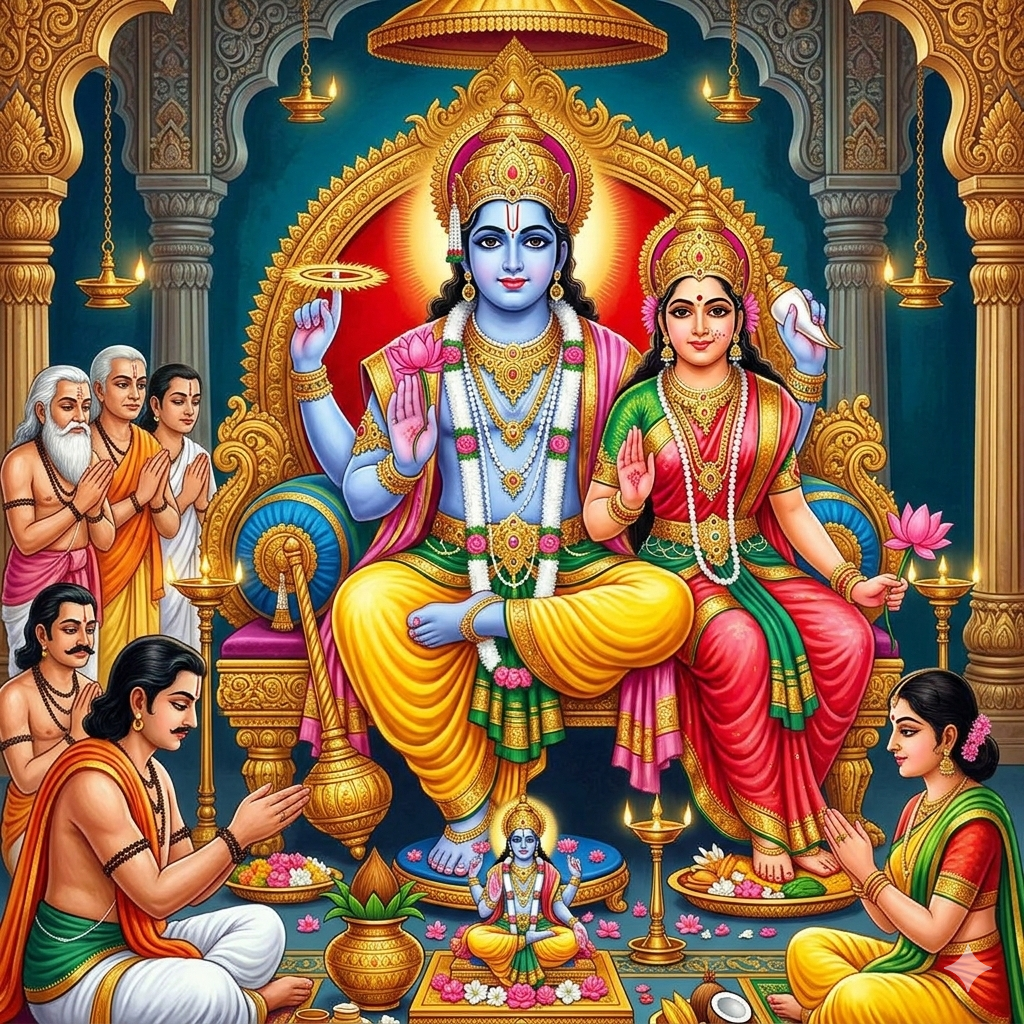
Indira Ekadashi is observed during the Krishna Paksha (waning moon) of the Ashwin month (September–October). It is primarily observed to liberate ancestors from hell and eradicate their sins. Worshipping on this day helps ancestors (pitrus) attain Moksha (salvation) and frees the devotee from past sins, allowing them to reach Vaikuntha.
Book PoojaPashankusha Ekadashi
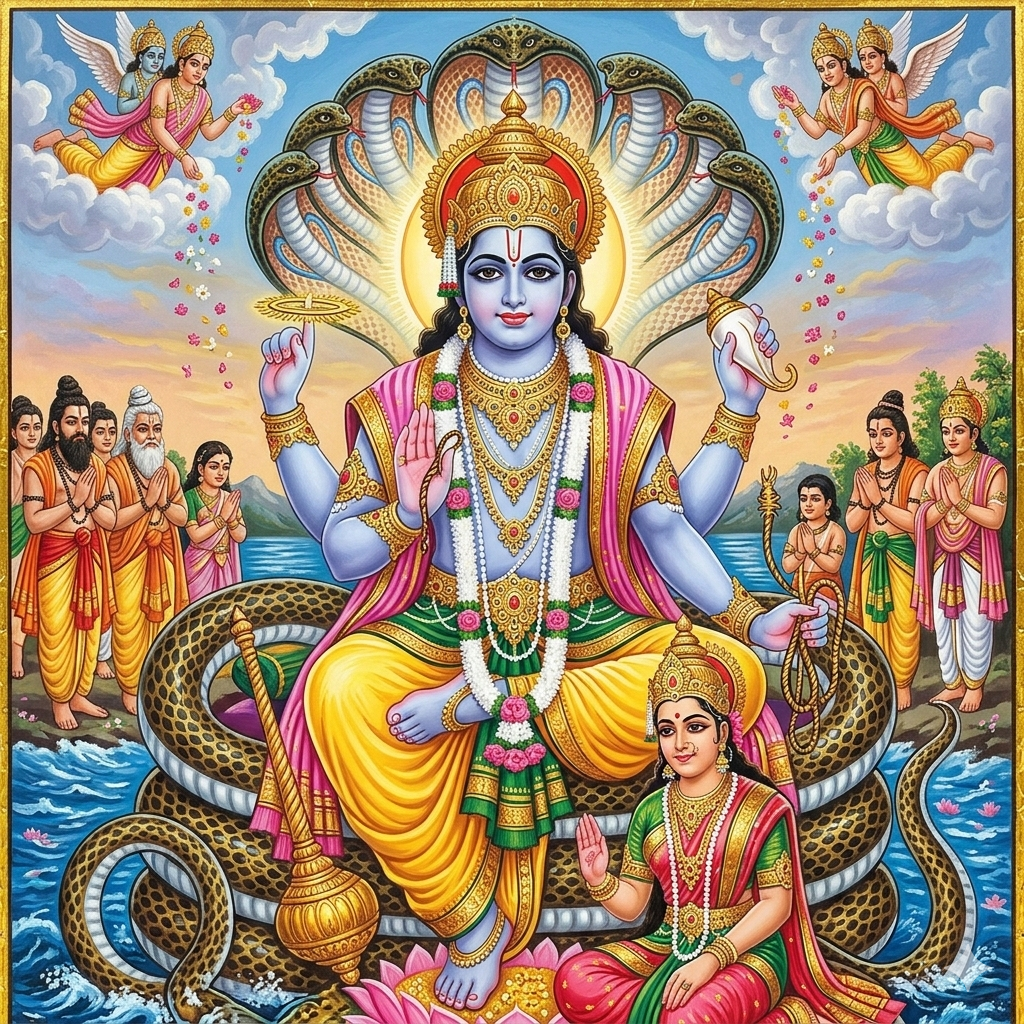
Pashankusha (or Papankusha) Ekadashi is observed on the Shukla Paksha (waning moon) in the Ashwin month (September–October). Devotees worship the Padmanabha form of Sri Vishnu on this day to destroy their sins and bring prosperity, liberation, and good fortune.
Book PoojaRama Ekadashi
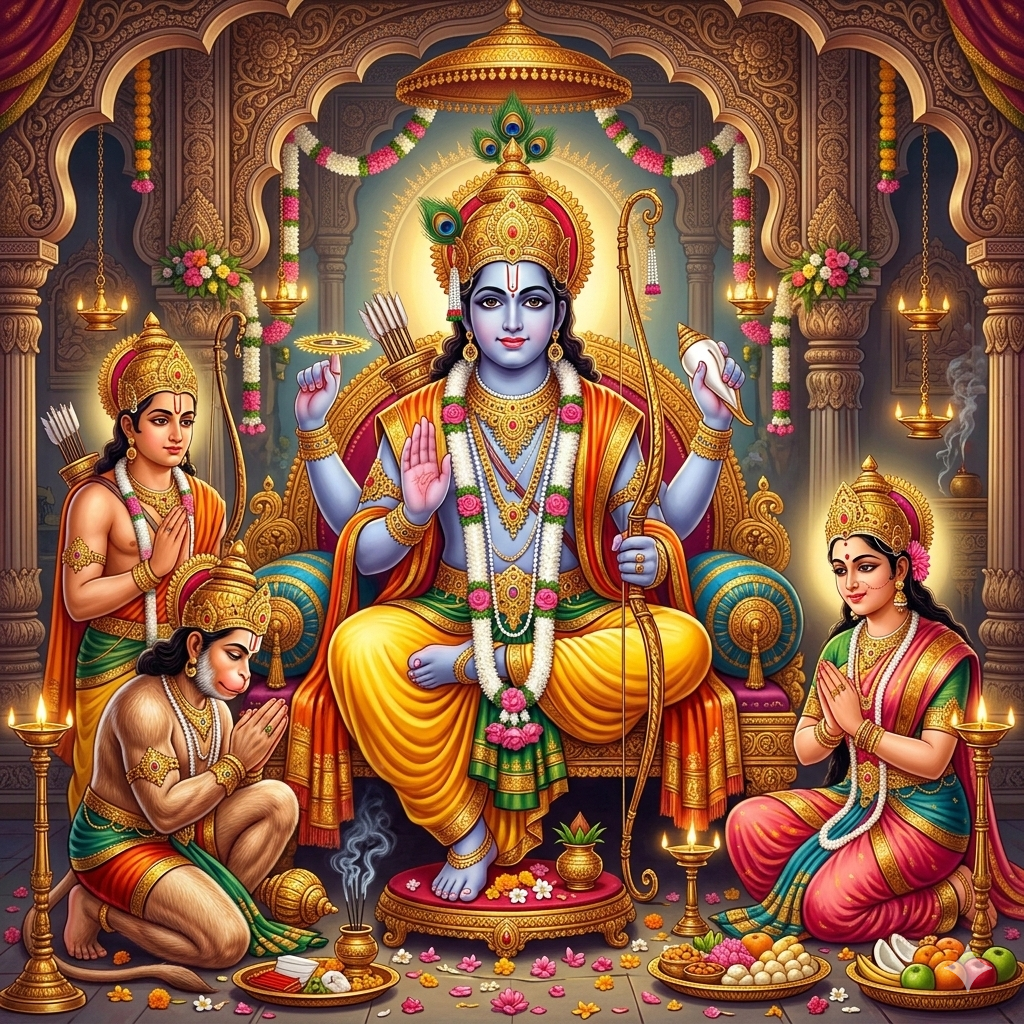
Rama Ekadashi is a highly auspicious day observed during the Krishna Paksha (waning moon) of the Kartik month (October–November). Celebrated just before Diwali, it is believed to cleanse devotees of all sins, grant spiritual liberation, and resolve financial difficulties. The name "Rama" refers to Goddess Lakshmi, Vishnu's consort.
Book PoojaDevuthana Ekadashi
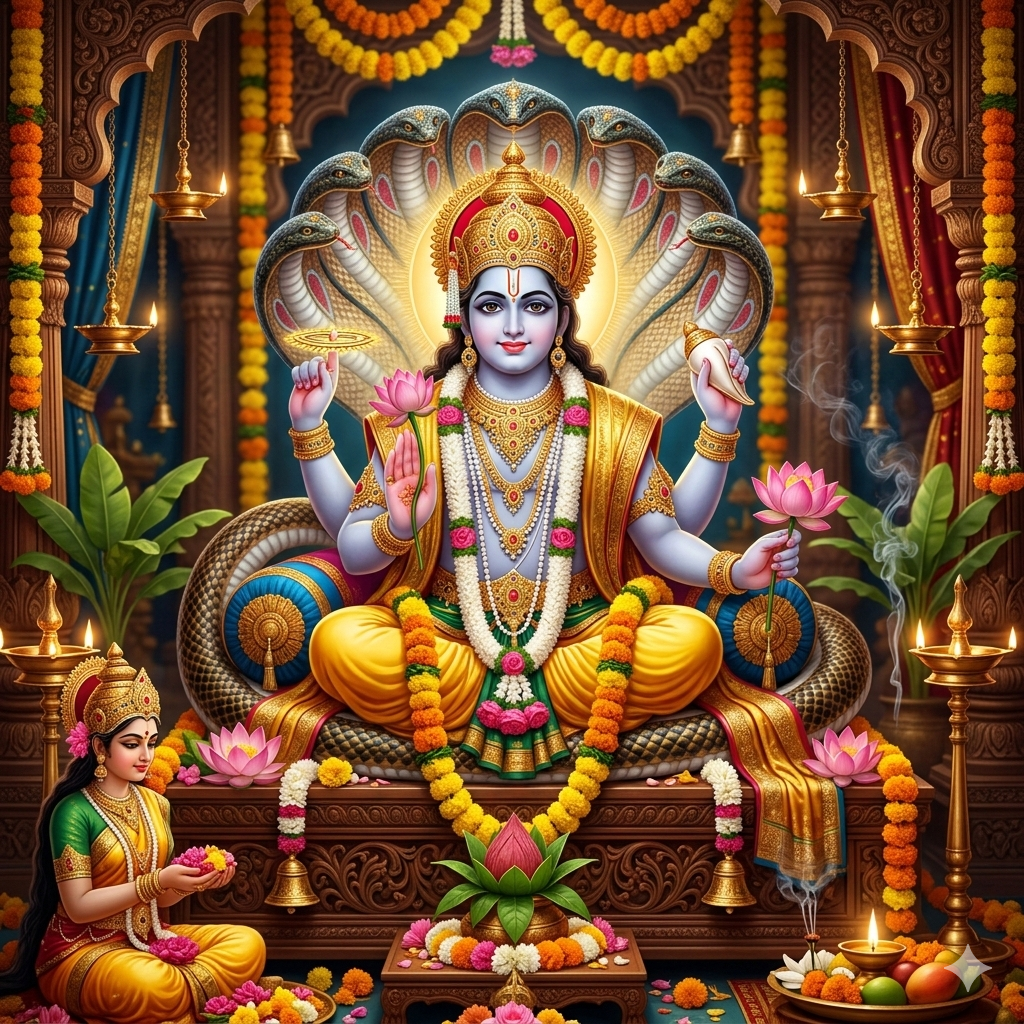
Devuthana Ekadashi (or Prabodhini Ekadashi) marks the auspicious awakening of Lord Vishnu from his Chaturmas period, signalling the return of auspicious activities like weddings and housewarmings.
Book PoojaUtpanna Ekadashi
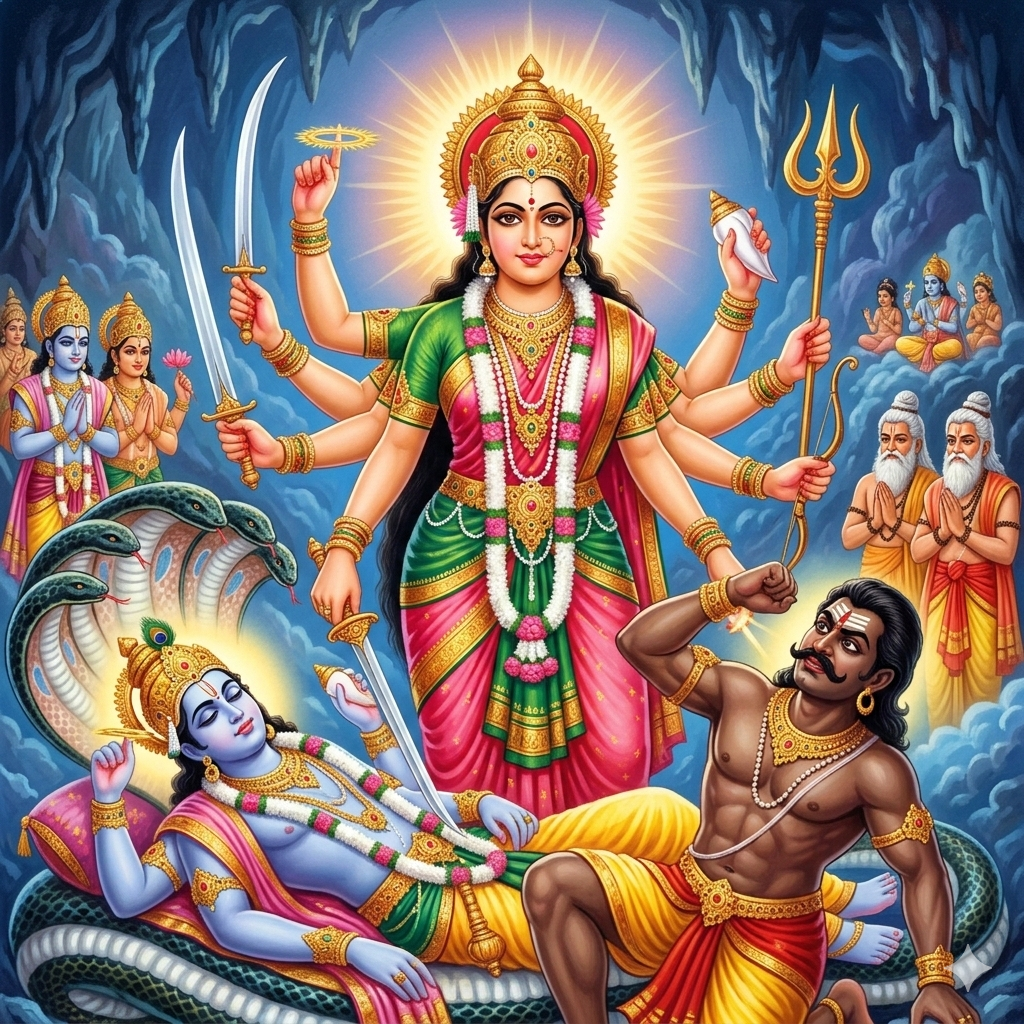
Utpanna Ekadashi is observed during the Krishna Paksha of Margashirsha (November–December). It marks the birth of Goddess Ekadashi from Lord Vishnu to defeat the demon, Mura. This auspicious day initiates the yearly Ekadashi fasts, cleansing sins and granting moksha (salvation).
Book PoojaMokshda Ekadashi
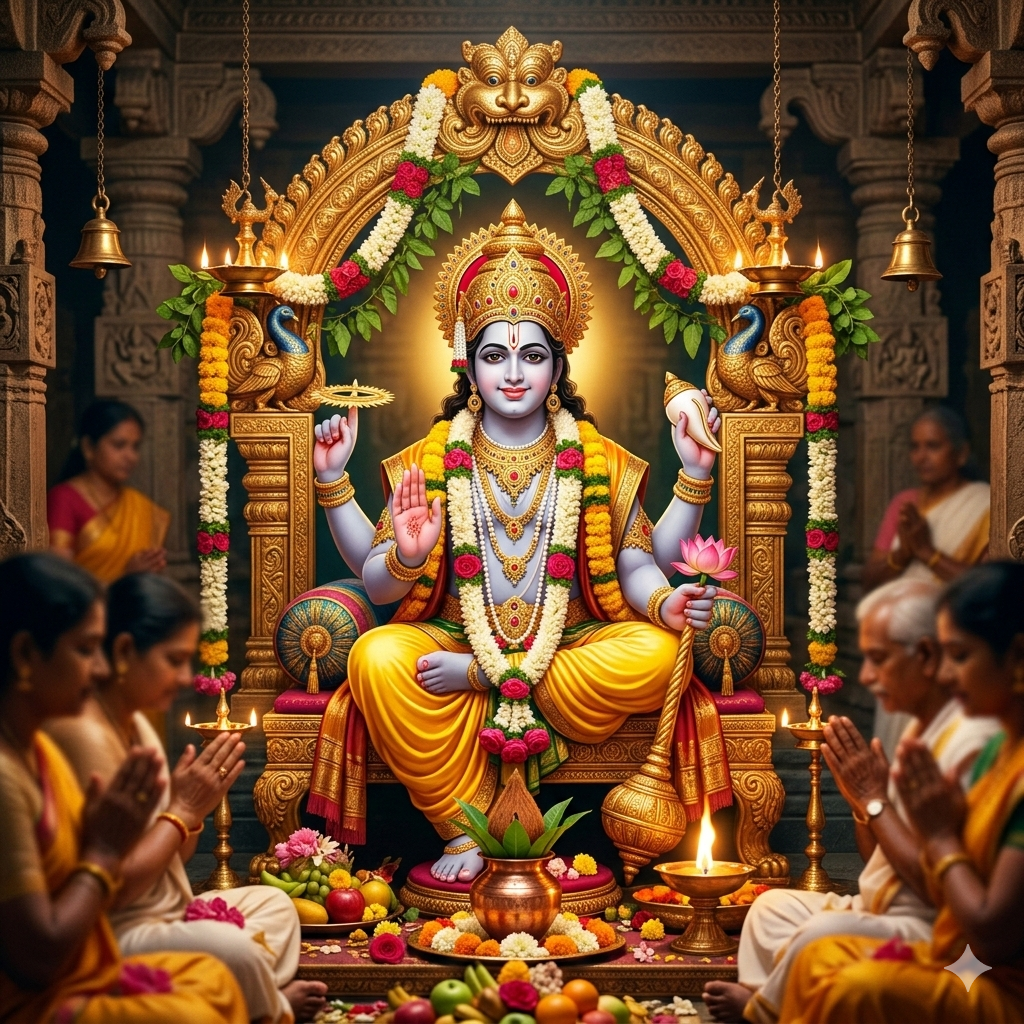
Mokshada Ekadashi (or Gita Jayanti) is observed in the Margashirsha month (November–December). Dedicated to Lord Vishnu and Krishna, it is believed to grant liberation (moksha) and cleanse sins. This is the day Sri Krishna spoke the Bhagavad Gita, giving devotees a chance to cleanse past karma and attain spiritual merit.
Book Pooja